



The New York prosecutor who declined to file criminal sex assault charges against Cornell university fraternity members in 2024 said he is investigating whether a transcript of the accuser's initial interview with campus police exists. He says he learned of a potential transcript through a CBS reporter who reported that the accuser had told police she believed she was raped with 100% confidence.
WATCH | Cornell Jane Doe: 'I can say with 100% confidence I was raped"
CBS New York was first to report the existence of the transcript, and Scripps News has not independently obtained or reviewed it.
The reported comments by the alleged victim — identified in court paperwork only as Jane Doe — differ from the way Tompkins County district attorney Matthew Van Houten described the woman’s initial account of the 2024 encounter.
The prosecutor said he did not file criminal charges in the case in 2024 because Jane Doe’s written police statement “did not allege that she was drugged against her will or gang raped. On the contrary, Jane Doe’s statement described her participation in drug use and sexual conduct as voluntary, conscious, and consensual."
Van Houten told Scripps News Wednesday morning he first learned of a police interview transcript from the CBS reporter on Tuesday.
“That statement (about the accuser being certain she was raped) was not in the 6-page statement from Jane Doe,” Van Houten said Wednesday morning. “I do not have the transcript but if it exists I will obtain it.”
RELATED STORY | Prosecutor reopens probe into Cornell gang rape allegations after accuser files lawsuit
A Cornell University spokesperson told Scripps News that campus police shared a “lengthy police investigation report” with the DA’s office in 2024, but they would not specify whether a transcript was part of that report.
The criminal case was reopened this month, several days after Jane Doe filed a civil lawsuit against the university, the fraternity, and fraternity members, among other defendants, alleging she was sexually assaulted.
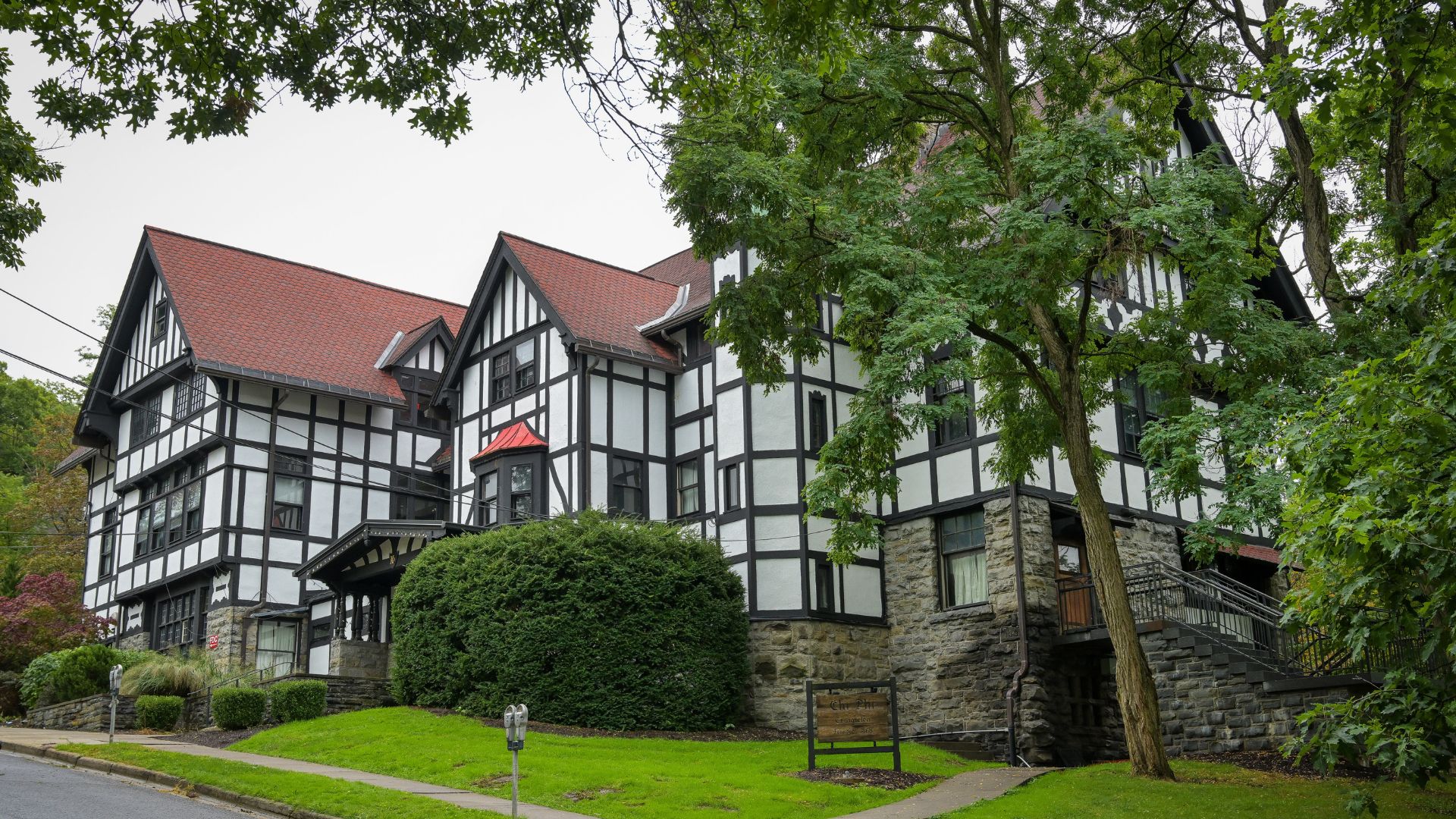
In the lawsuit, the student said she was the victim of “criminal sex acts” at the hands of seven fraternity members at the Chi Phi National Xi Chapter’s fraternity house on Cornell’s campus in October of 2024 after drinking so much she was “incapable of consenting.”
The lawsuit also alleged one of the men posted in a Snapchat group of fraternity members that there was “free p----” upstairs, and that some of the men pressured the already-intoxicated student into using ketamine.
The district attorney said this week he plans to present the renewed case to a grand jury.
“I recognize the reality that it can take years of therapy and healing for victims of sexual assaults to fully process and understand what happened to them. Seeking justice sometimes requires us to reconsider or reopen cases when we are provided with additional evidence,” Van Houten said Monday. “The Grand Jury will be able to consider the testimony of Jane Doe as well as any new evidence raised by the allegations of the civil complaint.”
Expert: New York legal “loophole” could make prosecution challenging
Jane Doe’s lawsuit says that when she arrived at the fraternity house she was “visibly intoxicated" and had "consumed about 10 standard drinks within the past 3 hours.”
Seth Zuckerman, a former New York prosecutor and founder of the Zuckerman Legal Group, told Scripps News the prosecutor is in a difficult position because of the way the state’s laws pertaining to consent are written.
“In New York, the law is that victims are only mentally incapacitated if they were drugged or intoxicated without their knowledge of consent,” Zuckerman said. “We refer to this as the ‘voluntary intoxication loophole.’”
“It creates a legal hurdle for prosecutors when the victim is allegedly so heavily intoxicated that they can’t give consent, but they voluntarily intoxicated themselves,” Zuckerman said.
Cornell posts detailed FAQ to respond to mounting public questions about case
Cornell University posted a FAQ page this week to respond to questions and “provide additional information and clarification” about the case.
In it, the university detailed its process of investigating the 2024 allegations, provided some information about the disciplinary actions taken against the students involved in the incident, and laid out what it has done in the meantime to address the issue of sexual assault on campus.
“We will continue to examine and strengthen our policies to ensure we are doing all we can to foster a culture where sexual misconduct is never tolerated, those who come forward are supported, and individuals found responsible through our processes are held accountable,” the FAQ reads.
