



Summer is peak season for insurance claims, and as repair costs skyrocket, even careful homeowners may see rates rise as early as next year.
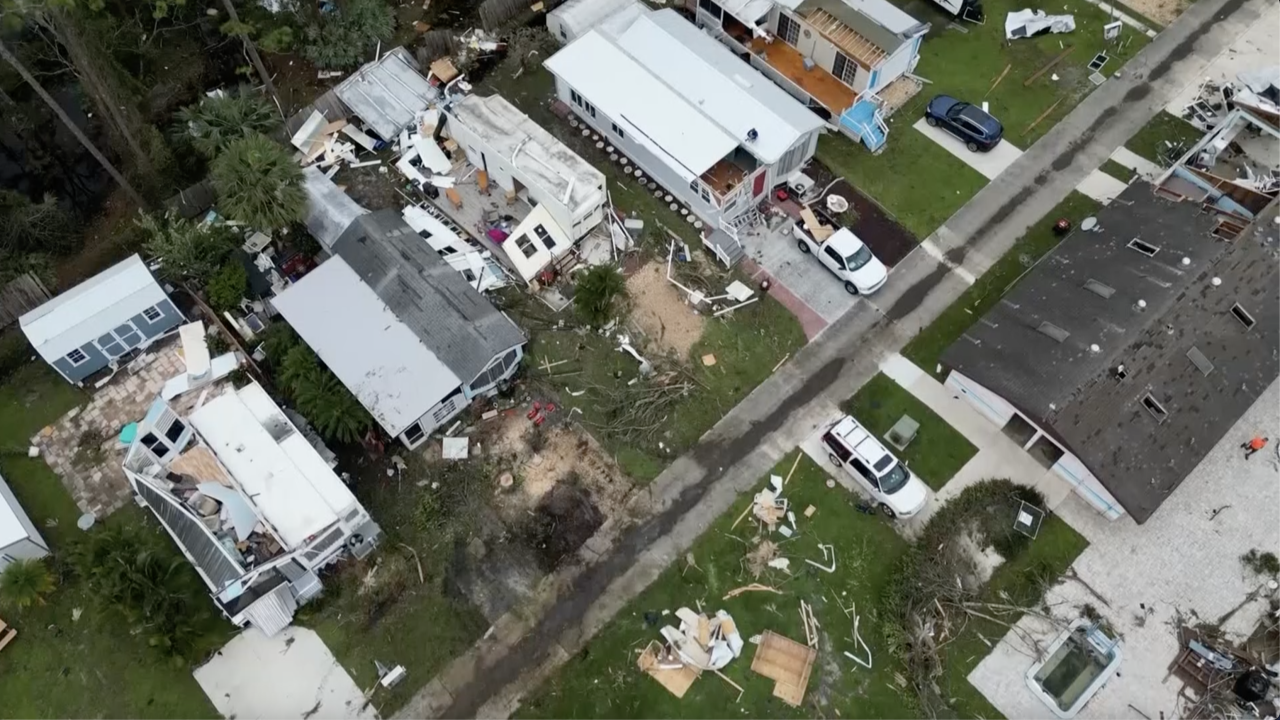
Storm damage, from wind, hail, and heavy rain, is partially to blame for the summer uptick in claims.
Flooding is the most common disaster by far, but the vast majority of homeowners aren’t covered. That’s because flood coverage is something homeowners must seek out separately from their insurance policy.
"You don't have to be in an area that's at severe risk of flood to get flood insurance either," said Kaz Weida, an insurance expert with NerdWallet. "I wish more homeowners knew that."
Other frequent summer claims include pool and trampoline injuries and fire damage.
"Maybe you're barbecuing, you've got a fire pit, what have you. You certainly want to make sure that you are covered," Weida said.
RELATED STORY | The hidden risk in your insurance policy: Why state minimums may not save you
Vacant homes and vehicles left in driveways during vacation season also create additional risk.
"A lot of us go on vacation. We might be leaving a home unoccupied for longer stretches of time," she explained.
Rising insurance rates
Getting adequate coverage is becoming more costly as materials to rebuild become much more expensive.
"When we talk about replacing your home, you've got to figure in the cost of building materials, the cost-of-labor," Weida said.
Cuts to FEMA mitigation programs are also a factor.
The Building Resilient Infrastructure and Communities (BRIC) program and the National Flood Insurance Program (NFIP) have been the focus of major cuts, according to Leslie Kasperowicz, editor-in-chief at Insurance.com.
"When we don't have those programs working to reduce the risk, insurance companies then calculate that risk into their rates," Kasperowicz said.
Programs like BRIC and NFIP provide resources to build infrastructure that protects homeowners from weather-related disasters. They also fund emergency disaster response.
RELATED STORY | Extreme weather is driving up homeowners' insurance across the US
"Some of those cuts were also to prediction models and early warning systems," she said. "If we don't get the early warnings that allow us to mitigate damage, then we see again that trickle down to home insurance rates."
In a NerdWallet survey, 34% of homeowners said their premiums had increased over the past year. Nearly half, 46%, said they are stressed about the costs of their premiums.
Mistakes that cost you
The biggest mistake homeowners are making right now is cutting coverage to chase a lower rate.
"You get a quote and you think, 'Oh, this is a lot cheaper than what I was paying with my previous company.' But if you don't pay attention to the coverage that's providing, then you could end up underinsured," Kasperowicz said.
Weida urges everyone to review their policies to make sure common summertime scenarios are covered and consider whether it’s worth raising their coverage.
"Because that is not something your insurance company is going to tell you," she said. "It is your responsibility as a homeowner. We need to take a look and make sure that your coverage has kept pace with costs in your area."
Homeowners with a pool or trampoline should also be aware that both can create liability if someone is hurt on their property. Experts say not to hide these from your insurer — if you file a claim and your insurer did not know about them, the claim could be denied.
